

Hazmat truck driving pays more than standard CDL freight, and the gap is real. How much do hazmat truck drivers make compared to regular OTR drivers? Depending on the freight, location, and endorsements held, the hazmat driver pay premium can range from 15% to 35% above standard rates.
This post covers current salary data, the positions that pay the most, what drives the difference in pay, and what it takes to get into hazmat trucking.
What Is a Hazmat Truck Driver?
Hazmat truck drivers are specialized CDL holders authorized to transport hazardous materials that require placarding under Department of Transportation regulations. The cargo includes chemicals, flammable substances, radioactive materials, and other regulated goods. Drivers follow strict safety guidelines at every stage of each haul and maintain compliance with federal regulations throughout.
The specialization is what drives the pay premium. A hazmat endorsement for CDL holders requires passing a TSA security threat assessment and a written knowledge test that most general freight drivers have not completed. That credential narrows the pool and raises the value of drivers who hold it.
How Much Do Hazmat Truck Drivers Make on Average?

Based on current data from multiple sources, the average hazmat driver salary in the US falls between $69,000 and $80,000 per year. Glassdoor’s December 2025 data puts the hazardous material driver salary at $68,961 nationally, with top earners reaching $104,849. TruckersReport data places the average at $80,098, with a range of $70,200 to $91,780 depending on location and hours.
For context, the Bureau of Labor Statistics reported a median annual wage of $58,640 for all heavy and tractor-trailer truck drivers as of May 2025. Hazmat specialists consistently earn above that baseline due to their endorsement requirements, higher freight risk, and additional compliance responsibilities.
On a per-mile basis, hazmat jobs pay $0.85 or more per mile, compared to the $0.45–$0.75 range for standard OTR freight. That difference in CDL hazmat pay adds up quickly on long-haul routes.
Highest-Paying Hazmat Truck Driver Positions
Not all hazmat freight pays the same. The cargo type, required training, and risk level all push the numbers in different directions:
1. Radioactive Materials Transport Driver
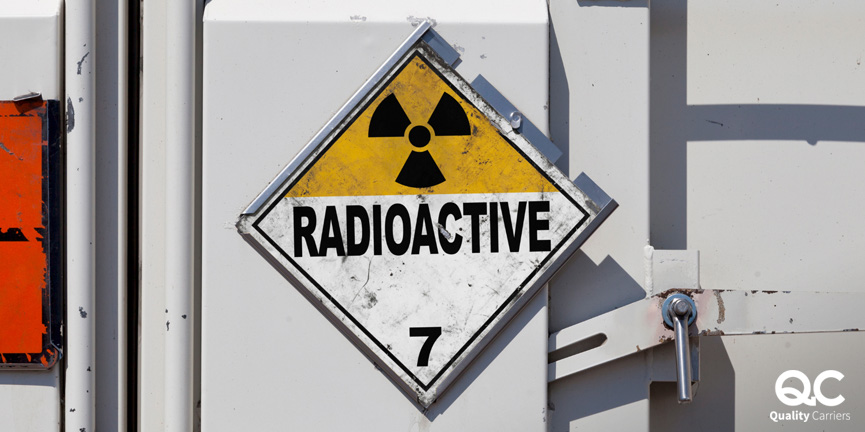
Drivers responsible for transporting radioactive materials, like nuclear waste, tend to earn some of the highest salaries in the hazmat trucking industry. Salaries range from $80,000 to $120,000 or more annually.
2. Explosives Transport Specialist
Transporting explosives requires extreme caution and specialized training beyond a standard hazmat endorsement. Hazmat drivers in this field can earn salaries ranging from $70,000 to $110,000 annually.
3. Oil and Gas Hazmat Hauler
Drivers transporting hazardous materials in the oil and gas sector earn competitive salaries, with annual earnings typically falling between $65,000 and $100,000 depending on location and experience.
4. Chemical Distribution Supervisor
Some hazmat truck drivers transition into supervisory roles, overseeing the safe chemical transportation and distribution of hazardous chemicals. Supervisors can earn salaries starting at $60,000 and reaching up to $100,000 yearly.
5. Pharmaceutical Hazmat Courier
Couriers responsible for transporting hazardous pharmaceutical materials, including biohazardous or radioactive pharmaceuticals, can earn between $50,000 and $90,000 annually, depending on experience and the materials transported.
What Factors Affect Hazmat Driver Pay?
Several variables determine where a hazmat driver lands in the salary range.
- Endorsements matter more than most drivers expect. The N endorsement (tanker) combined with the H endorsement (hazmat) opens the highest-paying load categories. Drivers with the X endorsement, which combines both, get access to chemical tanker and fuel freight that regularly pays above average.
- The freight type sets the ceiling. Radioactive and explosive materials pay the most because they require the most specialized training and carry the highest risk. Chemical and fuel loads pay well but typically fall below the top tier. General hazmat freight (packaged goods requiring placarding) pays the least within this category.
- Location affects the floor. High-demand freight corridors, particularly in California, Texas, the Northeast, and the Pacific Northwest, pay above national averages because driver shortages and freight volume push rates up.
- Experience moves the number over time. Entry-level hazmat drivers typically start in the $50,000–$60,000 range. With three to five years of clean hazmat hauling, pay tends to move toward the $75,000–$90,000 range. Drivers who also hold a TWIC card qualify for port and secure facility access, which adds value with certain employers.
- Pay structure changes the math entirely. Per-mile pay, hourly pay, and percentage-of-load arrangements all produce different totals depending on route type and mileage. A fuel hauler on an hourly contract in a high-demand area can out-earn a long-haul per-mile driver even at a lower stated rate.
Risks of Being a Hazmat Truck Driver
Hazmat truck driving pays well because it carries responsibilities that standard freight does not. The risks are real and worth knowing before committing to the work:
Exposure to Hazardous Materials
The cargo itself is the biggest risk. Chemicals, flammables, and radioactive materials can cause burns, respiratory damage, or long-term health effects if a spill or leak is not handled correctly and fast. Drivers train specifically for these scenarios, but the risk never fully disappears.
Stringent Regulations
Hazmat transport is one of the most regulated freight categories in the US. Placarding requirements, loading rules, route restrictions, and documentation standards all apply, and they vary by material class. A single compliance gap can mean fines, a CDL suspension, or losing the hazmat endorsement entirely.
Safety Concerns
An accident involving hazmat cargo is not the same as a standard fender bender. Spills can close highways, require environmental cleanup, and put first responders in danger. That weight stays with drivers on every haul, and it requires a level of focus that standard freight does not demand.
Health Risks
Regular exposure to certain chemicals, fumes, and particulates adds up over a career. Drivers who haul the same materials repeatedly face higher cumulative exposure than those on varied freight. Proper PPE, decontamination protocols, and regular health monitoring are how experienced hazmat drivers manage this over the long term.
High Stress Levels
The combination of time-sensitive deliveries, mandatory inspection stops, weather variables, and the responsibility of carrying dangerous cargo creates a sustained pressure that most OTR drivers do not face. It is manageable, but it is real, and drivers who underestimate it tend not to stay in hazmat freight for long.
Training Required to Become a Hazmat Truck Driver
Getting into hazmat trucking requires a valid Class A CDL and a hazmat endorsement. The endorsement adds two requirements on top of standard CDL licensing: a written knowledge test covering hazmat regulations, safety procedures, and emergency response, plus a TSA security threat assessment that includes fingerprinting and a background check.
The hazmat endorsement cost runs $86.50 for the TSA fee plus any applicable state DMV charges. Most drivers clear the full process in 30 to 60 days from application to approval. Certain freight types, particularly radioactive materials or explosives, require additional specialized training on top of the standard endorsement.
Once endorsed, drivers keep their credentials current on the same cycle as the CDL, typically every four to five years, with a new TSA background check at each renewal. Most carriers also run company-specific training before a driver hauls their first hazmat load, covering equipment, loading protocols, and emergency response procedures.
Final Thought
How much do hazmat truck drivers make depends mostly on what they haul and what endorsements they hold. The national average sits between $69,000 and $80,000 per year. Experienced drivers in radioactive, explosive, or chemical tanker roles regularly clear $90,000 or more.
The endorsement is the entry point. Getting the hazmat fingerprinting done, passing the knowledge test, and clearing the TSA background check opens load categories that most CDL holders cannot access. That access is what drives the pay difference.
Start Earning What Your Hazmat Endorsement Is Worth
Hazmat-endorsed drivers with a strong safety record are in demand. Quality Carriers connects qualified HAZMAT-endorsed carriers and drivers with consistent freight opportunities across the US.
Contact us to learn more about available hazmat routes, or apply to become a Quality Carriers carrier today.
FAQs
How much does a hazmat truck driver make per year?
The national average ranges from $69,000 to $80,000 per year based on 2025 to 2026 data. Top earners in specialized roles like radioactive materials or explosives transport can clear $100,000 or more annually.
How much does hazmat drivers make compared to regular CDL drivers?
Hazmat drivers typically earn 15 to 35% more than standard OTR drivers. The hazmat driver pay premium reflects the endorsement requirement, added compliance responsibilities, and higher freight risk that comes with the cargo.
What is the CDL hazmat salary for entry-level drivers?
Entry-level CDL hazmat drivers typically start in the $50,000-$60,000 range. With a few years of clean hazmat hauling experience, pay tends to move toward the $75,000-$90,000 range. Freight type and location also play a major role.
What does the hazmat truck driver pay per mile?
Hazmat loads typically pay $0.85 or more per mile, compared to $0.45 to $0.75 for standard OTR freight. The exact CDL hazmat pay rate depends on the employer, freight type, and whether a tanker endorsement is also required.
Do hazmat jobs pay more than other trucking specialties?
Hazmat is among the higher-paying CDL specialties, though tanker, oversized, and flatbed can also pay well. The combination of a hazmat and tanker endorsement consistently ranks at the top of the CPM scale and opens the widest range of high-paying load categories.


